


The fresh meat and poultry inflation report from the Association of Meat Industry Suppliers (AIMS) has found that the average price of meat had fallen across 30 reviewed lines.
Both month-on-month and year-on-year, the average price fell by 0.74% (£0.09kg) across the 30 reviewed lines.
Tony Goodger, head of communications at AIMS, commented: “Looking at the most recent ONS Consumer Price Inflation report covering August it noted that there was ‘a small downward effect from meat, where prices fell slightly in August’ a position that was mirrored in our August report. Our September analysis shows that this trend has continued with all three of the red meats dropping back in price across the month.”
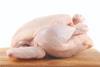
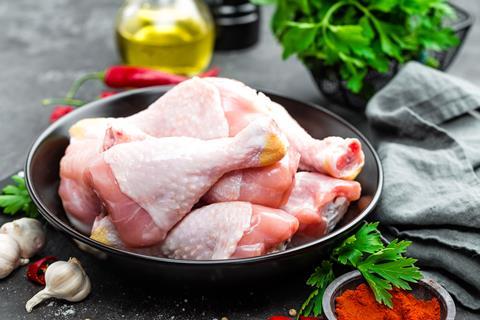
Chicken was the only meat to buck the trend, AIMS found, as it rose by 3.17% (+£0.15kg). Goodger said: “Year-on-year the AIMS figures show that chicken breast portions (5.54%/-£0.42kg) and chicken thigh fillets (11.39%/-£1.03kg) contributed to an overall drop of 1.01% (-£0.05kg) across the category and that it was only the continued high prices for lamb, which has risen by £0.71kg (4.25%), that stopped the 12-month fall being greater.
“German owned ALDI announced a near £1 billion investment in the coming 12 months, which, coupled with their commitment to fresh British Red Tractor assured chicken could, unless an expansion in production is quickly approved by local planners, place further supply/demand pressures along the supply chain.
“Looking at ONS’s shopping price comparison tool for August, I can’t help but notice that the price of fresh salmon fillets have risen by 2.2% year-on-year whilst British chicken fillets are reported as being 0.4% cheaper over the same period.
“I suggest that whilst British farmers and poultry processors have been battling the never ending rise in input costs, their overall cost of production is not being adequately remunerated at the supermarket checkout.”
Goodger highlighted that greater competition from a wider number of markets, whether it be from domestic or overseas farming enterprises, could have allowed for prices to move up more in line with increased production costs.”
Goodger concluded: “The coming month will be interesting – with students back at university and children at school there will be an increased demand from foodservice buyers who are committed to British meat and poultry supply chains. And, if the weather remains warm then no doubt the barbecue season will extend into October, which could lead to an increased demand for steak, mince, and other grilling lines.”