


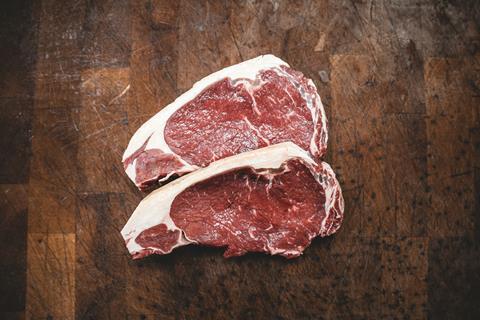
According to the latest consumer price inflation (CPI) figures from the Office for National Statistics (ONS), beef products had a downward effect on inflation.
The Consumer Prices Index (CPI) rose by 3.5% in the 12 months to September 2026, ONS reported, up from 3.1% the previous month. On a monthly basis, CPI rose by 0.4% in September 2026, compared with little change in September 2025.
The 12-month inflation rate for food and non-alcoholic beverages was 1.3% in September 2026, unchanged from August. The rate was last lower in September 2021, when it was 0.8%. On a monthly basis, food and non-alcoholic beverage prices fell by 0.2% in September 2026, the same fall as in September 2025.
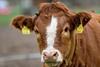
The beef consumption sefgments were highlighted as having had downward effects on the change in the headline rate, while all 11 detailed classes within the food and non-alcoholic beverages division had little effect. According to ONS, a consumption segment can be broader than and represented by one or more items.
“Ultimately, a more resilient food system, with greater domestic capacity, is key to supporting price stability.”
James Walton, IGD
James Walton, chief economist at the Institute of Grocery Distribution (IGD), commented: “Whilst food price inflation has stayed at 1.3%, it is hard to take much comfort as cost pressures continue to build across the food supply chain. Retailers are likely offsetting rising costs from geopolitical, regulatory and climate impacts to protect prices for shoppers, particularly ahead of the critical Christmas sales period.
“These cost pressures are placing immense strain on businesses and squeezing margins throughout the supply chain. It is hard to see how this can be maintained longer term, and our data shows that 79% of shoppers expect food prices to rise next year.
“Ultimately, a more resilient food system, with greater domestic capacity, is key to supporting price stability. The industry will be looking to the Budget to see how far the chancellor can support businesses and shoppers against a challenging financial outlook.”
Dr Liliana Danila, chief economist at the Food and Drink Federation (FDF), stated: “As manufacturers and retailers strive to keep prices as low as possible for consumers, especially in the lead up to Christmas, the pressure is building for the sector, undermining investment in the long-term resilience of the UK food system. Government should be doing what it can now to take the heat out of any later inflationary period and safeguard the UK’s food and drink sector.
“To start, with the Budget fast approaching, they should prioritise extending targeted energy relief to the food and drink sector. Food and drink has a direct impact on household budgets, so offering our sector the same support that is enjoyed by other manufacturing sectors would show a clear commitment to tackling the cost of living.”
Tony Goodger, head of communications at the Association of Independent Meat Suppliers (AIMS), commented: “September has been termed as being ‘Back to Normal’ by the supermarkets who see the month as being a time when the holidays are over, people have returned to work, school and then towards the end of the month, university and college. It is the month when bank balances are checked and summer spend is assessed and Christmas savings and buying of non-perishable goods begins.
“This makes it a month where the supermarkets need to maintain footfall and so are looking for lines where they may be willing to shave a small amount of margin to try to keep consumer loyalty.”