


Industry has responded to Chancellor of the Exchequer John Healey’s Autumn Budget, with the National Farmers’ Union (NFU) stating that Government had missed the opportunity to deliver on its food security commitments.
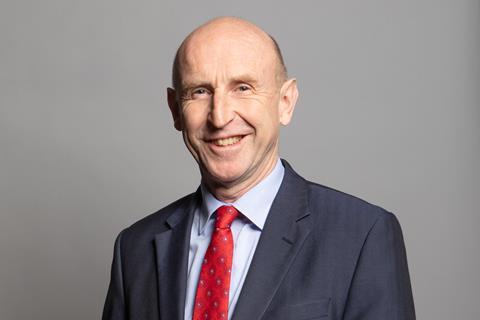
The Chancellor announced that small business rates relief would see a rise in the threshold from £12,000 to £18,000. He also said that other businesses, including shops and restaurants, would have their rates frozen in real time so that they would not experience an above-inflation rise for two years.
The National Living Wage will increase by 3.9% to £13.21 per hour, while tariffs will be removed from more than 100 products, with fertiliser and kerosene seeing tariff cuts.
Reacting to the Autumn Budget, NFU president Tom Bradshaw commented: “Today was an opportunity for Government to act on the warm words it made over the summer. It has failed to act and has left farmers feeling abandoned.
“The OBR has reflected that the food price inflation outlook is significantly higher than previous forecasts. Yet the Government has failed to link domestic food production to food-price inflation, has missed the opportunity to deliver on its commitment that ‘food security is national security’ and failed to give farm businesses the ‘breathing space’ that the Chancellor said that this Budget was for.
“While the extension to the red diesel relief is welcome, fuel prices today are 65% higher than a year ago, so will offer minimal relief to the cashflow crisis facing farming businesses. This feels like tinkering while Rome is burning. Action could have been taken on extending the Annual Investment Allowance to include infrastructure such as on-farm reservoirs or new poultry housing, action could have been taken to ease the dire cash flow impacting farms and our food producing businesses, and action should have been taken to reverse the investment-stifling family farm tax.
“Ignoring these actions means that the bottlenecks holding back domestic food production and the overall confidence of the sector have not been addressed. It’s failed to respond to the concerns of those across retail, food manufacturing and the wider supply chain serving 29 million households.
“This was pitched as the ‘Budget for the working people of Britain’. Farmers and growers will not be feeling this extends to them. Today the phrase ‘food security is national security’ feels nothing but a hollow promise.”
“For an industry facing flat volumes and incredibly tight margins, these measures do not fundamentally change the ongoing pressures businesses face.”
James Walton, IGD
Eleanor O’Brien, managing director of National Craft Butchers (NCB), added: “Whilst NCB are pleased to see the small business rates threshold increase, providing some relief to our high street and retail members, the budget falls short of really helping businesses who have experienced continued price increases across the entire supply chain in the last few years. To really help businesses and stimulate growth the Government needs a holistic approach to the challenges businesses face.
“We also note the reestablishment of the Better Regulation Executive and as an industry that has been crying out for risk based regulatory reform for decades, we hope that this denotes a genuine commitment from the current Government.”
James Walton, chief economist at the Institute of Grocery Distribution (IGD), stated: “Today’s Budget comes against a challenging economic landscape, with the OBR downgrading next year’s GDP growth forecast. Against this backdrop, the Budget will provide some targeted relief for households, rather than a substantial easing of pressure across the food and drink industry.
“Business rate changes could help eligible smaller operators and tariff cuts may reduce selected sourcing costs. On the other hand, higher living wages will add to payroll costs, meaning impacts will vary by business. For an industry facing flat volumes and incredibly tight margins, these measures do not fundamentally change the ongoing pressures businesses face.
“Support for shoppers offers some breathing space but is likely to help protect grocery spending, rather than deliver a significant boost to demand. Households remain under pressure and any true relief feels far off.”
Rupert Ashby, CEO of the British Frozen Food Federation, said: “The business rates measures announced in the Budget will be welcome for those smaller businesses in the frozen food sector that qualify for the additional relief. However, the wider cost base facing the food industry remains a serious concern.
“Previous Increases to employer National Insurance contributions and the National Living Wage have placed significant pressure on businesses. With the minimum wage rising again, employers face further costs at a time when they need to recruit, develop the next generation of talent, and invest in the resilience of the UK food supply chain.
“Our members have worked hard to absorb these pressures, but there is a limit to how long businesses can continue to do so. A resilient food industry needs the capacity to invest, innovate and create jobs, rather than simply manage another round of rising costs.”