



The chief veterinary officer has put in place a mandatory housing order covering the whole of England effective from 13th November in response to an escalating number of confirmations of highly pathogenic avian influenza (HPAI).
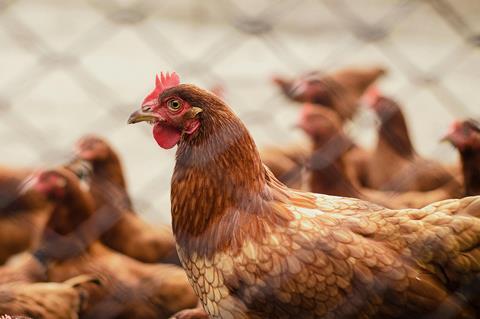
The England-wide Avian Influenza Prevention Zone (AIPZ) has been declared, meaning that bird keepers across the whole of England must house all poultry and captive birds if they keep 50 or more birds, or if they sell or give eggs, poultry products and live birds away.
Bird keepers must follow enhanced biosecurity measures
All bird keepers, of commercial and backyard flocks and pets, must undertake enhanced biosecurity measures, including reporting of changes in egg production, mandatory record keeping, disinfecting footwear, and disinfecting housing and concrete walkways regularly.
UK chief veterinary officer Christine Middlemiss stated: “Bird keepers are urged to comply with the housing measures and to exercise robust biosecurity, remaining alert for any signs of disease and reporting suspected disease immediately to the Animal and Plant Health Agency.
“Having avian influenza confirmed in your flock can be devastating, I understand the impact this disease can have on the poultry sector and am extremely grateful for the continued cooperation of the industry.”
Risk to human health is “very low”
Defra said that the risk from the outbreak to human health from bird flu remains “very low”.
The Food Standards Agency (FSA) stated that properly cooked poultry and poultry products, including eggs, are safe to eat.
The UK Health Security Agency continues to monitor the situation for any changes to the level of risk.
Scotland declares AIPZ noting increased cases across Europe
A Scotland-wide AIPZ was declared from 12 noon on 10th November, making it a legal requirement for all bird keepers in Scotland to follow strict biosecurity measures to mitigate the risk of the disease spreading among poultry and other captive birds.
According to the Scottish Government, surveillance has shown the HPIA virus is circulating in wild birds across the UK and the risk to poultry and other captive birds has been assessed as “very high”. It also noted an increase in poultry outbreaks across Europe in recent weeks, including in Belgium, Germany and Norway.
“Maintaining strict biosecurity is the most effective method of protecting birds from the virus.”
Sheila Voas, Scotland chief veterinary officer
Scotland’s chief veterinary officer Sheila Voas commented: “While the risk to public health is very low, we are currently experiencing a heightened risk of an incursion of this virus from migratory birds and so it is vital that appropriate precautions are taken to protect poultry and other captive birds from infection.
“The introduction of this zone is a preventative measure, aimed at minimising the impact this often devastating virus can have on Scottish kept birds.
“Maintaining strict biosecurity is the most effective method of protecting birds from the virus.”