

The Association of Independent Meat Suppliers (AIMS) has responded to the Chancellor’s Autumn Budget, welcoming fuel duty cost reductions while warning that realignment with the EU would “not allow for a British business-first approach”.
Tony Goodger, head of communications at AIMS, has argued that any realignment with the EU, and specifically with sanitary and phytosanitary (SPS) guidelines, would not allow for the UK to adopt a business-first approach.
Responding to the increased threshold for Small Business Rate Relief from £12,000 to £18,000 in the Budget, he said that he hoped that this will help catering businesses as the measure “may be sufficient for their customers to survive in the current market conditions”. Goodger also highlighted that AIMS was seeking clarification as to which 10,000 businesses would have 25% taken off electricity bills as part of the new British Industrial Competitiveness Scheme.
The Chancellor committed to retaining 100% of business rates locally by the end of the decade. Goodger commented: “We hope that this will enable members at a local level to have meaningful conversations with city and regional mayors to ensure support for their businesses.”
Government said that it would add a further £20.4 billion to the National Wealth Fund and the British Business Bank over the coming years, supporting 140,000 jobs. It also detailed plans to prevent regulation from holding back investment by removing regulation and tariffs worth £800 million to business, and the re-establishment of the Better Regulation Executive in order to cut outdated regulations and admin burdens on business and workers.
AIMS welcomed the measures, and Goodger said he hoped they would “help members to grow their businesses”.
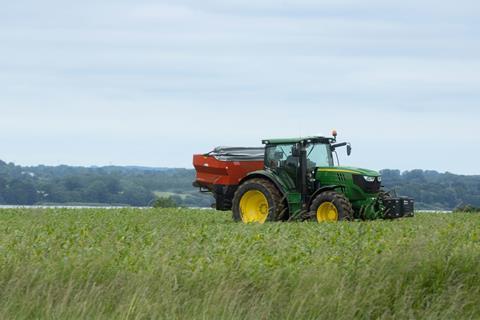
Cost reductions to fuel duty were also welcomed by the association, as it said that livestock hauliers and abattoirs would welcome the news. With fertiliser tariffs suspended until December 2027, Goodger said AIMS hoped that this will “provide some additional farmer security when it comes to input costs for livestock feed”.
Government announced that tariffs would remain suspended on certain products, benefitting businesses in the food sector, but said it would also open a new window for businesses to request the suspension of tariffs on further products, giving firms an opportunity to identify where removing tariffs could reduce input costs and support competitiveness. This window will be open from 11th November 2026 to 3rd February 2027. AIMS responded by stating that businesses that have large ingredient costs should “use this window to try to reduce their input costs”.