




As sustainability becomes increasingly important for the meat and poultry industry, Solidus is encouraging processors and retailers to look beyond packaging waste alone.
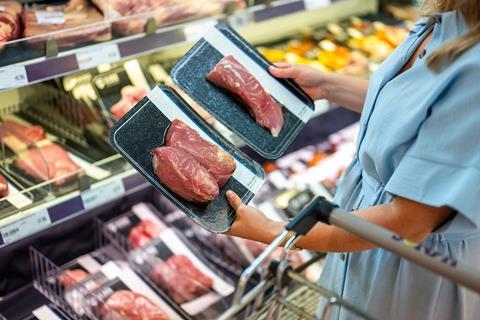
The company believes packaging should be recognised not only for its environmental footprint, but also for the vital role it plays in preventing food waste throughout the supply chain.
Food waste remains one of the biggest sustainability challenges worldwide. According to the Food and Agriculture Organization (FAO), 13.2% of food produced globally is lost before it reaches retail, while the United Nations Environment Programme (UNEP) estimates that a further 19% is wasted at retail, in foodservice and in households. For fresh meat and poultry, protecting product quality and extending shelf life are therefore essential steps towards a more sustainable food chain.
To address both challenges, Solidus has developed a portfolio of fibre-based transport packaging and retail skin packaging that helps processors reduce food waste while also lowering packaging waste. By combining robust transport boxes with fibre-based MAP and skin packaging, the company helps processors minimise spoilage throughout the supply chain while reducing plastic use in retail packaging.
Proven in practice
Spanish meat producer Almameat is one company that has adopted Solidus’ fibre-based skin packaging as part of its sustainability strategy while maintaining the technical standards required for fresh meat.
“Our main priorities are food safety, product protection and consistent quality. The packaging must preserve the freshness of the meat, extend shelf life and ensure that the product reaches the customer in perfect condition,” says Yolanda Echauri, Technical Purchasing Manager at Almameat.
Like many processors across the UK and Europe, Almameat also faced increasing pressure from retailers to reduce plastic while maintaining shelf appeal and operational efficiency.
“Retailer expectations have a direct impact on our packaging decisions, particularly in terms of sustainability, plastic reduction and product presentation. Retail chains increasingly prioritise packaging solutions that are environmentally responsible while still ensuring product quality and shelf appeal,” Echauri explains.
Two packaging solutions, one sustainability goal
Solidus believes reducing food waste starts well before products reach supermarkets.
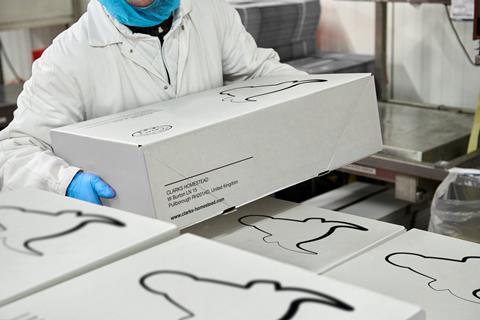
Its fibre-based solid board transport boxes are engineered for chilled and frozen supply chains, maintaining their strength in humid environments. This helps preserve product quality, minimise spoilage and improve logistics efficiency through optimised pallet loads.
At retail level, Solidus’ fibre-based skin packaging and MAP continue that protection by extending shelf life and reducing the amount of plastic required compared with conventional plastic trays. Advanced barrier technologies help maintain freshness, while portion-sized packaging enables consumers to buy only what they need, reducing food waste at home.
Performance and sustainability go hand in hand
For Almameat, selecting the right packaging partner meant finding a solution that could deliver measurable sustainability benefits without compromising production performance. Since implementing Solidus’ skin packaging, the company has experienced fewer packaging-related issues and improved customer satisfaction.
“With Solidus, our levels of complaints have decreased. Our customers expect a product that is consistent and does not create problems. We have been able to reduce packaging issues and improve customer satisfaction,” says Eduardo Arrarás, Export Manager at Almameat.
Looking beyond plastic reduction
According to Solidus, the packaging debate is evolving. While reducing plastic remains an important objective, the company believes equal attention should be given to preventing food waste, as the environmental impact of wasted food often exceeds that of the packaging itself.
By combining fibre-based transport packaging with retail skin packaging, Solidus demonstrates that processors do not have to choose between protecting products and reducing environmental impact. Instead, smarter packaging enables the industry to tackle two major sustainability challenges simultaneously: reducing food waste and packaging waste.