



As food systems become increasingly central to climate planning, British Meat Processors Association (BMPA) sustainability manager Lucas Daglish argues that now is the time for UK producers to act.
COP30 may have taken place many thousands of miles from the UK, but its implications for British meat processors are uncomfortably close to home. While no single agreement rewrote the rulebook, the direction of travel was unmistakable: higher expectations, deeper scrutiny and a renewed global focus on how livestock, land use and food systems fit into climate policy.
For the UK meat sector, the message from COP30 was less about dramatic new targets and more about credibility. Methane, historically a political negative, is increasingly being framed around measurement rather than blunt reduction pledges. The Global Methane Pledge gained further traction, but with a growing recognition that robust, verified data must underpin any credible approach. For processors, that points squarely to improved Scope 3 reporting and closer engagement with how livestock emissions are calculated and communicated.
Deforestation-free supply chains were another dominant theme. International pressure continues to grow, reinforced by expanding satellite monitoring and heightened expectations under the recently delayed EU Deforestation Regulation. While much of the immediate focus remains on higher-risk regions, the knock-on effect is clear, with processors everywhere expected to demonstrate traceability, due diligence and supplier accountability to an unprecedented level of detail.

Perhaps most significantly, COP30 underlined that food systems are no longer peripheral to climate planning. More countries are embedding agriculture directly into their national climate commitments, signalling that livestock production, processing and land use will face increasing regulatory and customer scrutiny. For UK processors, this means that full-chain emissions reporting is no longer a future aspiration but an emerging commercial reality.
Alongside policy signals, COP30 showcased a wave of technological and scientific developments that could reshape the sector’s emissions profile. Advances in feed additives, genetics and pasture management promise gradual reductions in livestock emissions, influencing future Scope 3 baselines. On the processing side, low emission refrigeration, heat-recovery systems, energy-efficiency upgrades and water-recycling technologies are moving rapidly from pilot projects to commercial solutions.
Global competitors were also keen to tell their sustainability stories. Major exporting nations, notably Brazil, highlighted livestock innovation and land-management initiatives designed to improve their environmental credentials. For UK processors, this reinforces the need to articulate, loudly and clearly, the strengths of domestic systems such as our pasture-based production, high welfare standards and comparatively low emissions intensity. Too often, these advantages are drowned out by louder international narratives and anti-meat lobbyists.
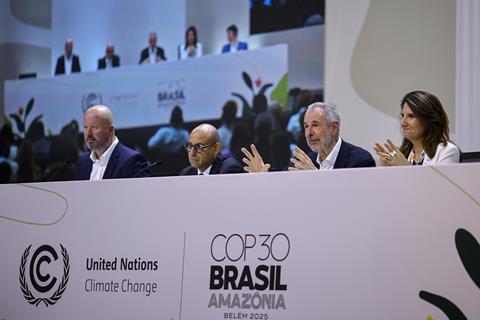
The risks of inaction are real. Reporting requirements are becoming more complex, scrutiny from regulators, customers and NGOs is intensifying, and methane and land-use data gaps remain challenging. But COP30 also highlighted genuine opportunities. UK processors are well placed to benefit from new technologies, and the sector has credible evidence to contribute to policy discussions, if it engages proactively.
The conclusion from COP30 is clear, transparency is no longer optional, credible data matters more than ever, and sustainability expectations will continue to rise across the meat supply chain. For UK meat processors, the task now is not to resist this change in direction, but to shape it using the growing scientific evidence at our disposal and the strengths of the UK production systems.