


The European Commission has welcomed an agreement between the European Parliament and the Council that will see “meaty” labels for plant-based products banned, with the exception of labels such as ‘burger’ and ‘sausage’.
According to the European Commission, the agreement included the protection of terms related to meat cuts or species that will now only be used to designate meat products.
It went on to say that this will exclude, among others, products derived from cell or tissue culture, including plant-based foods.
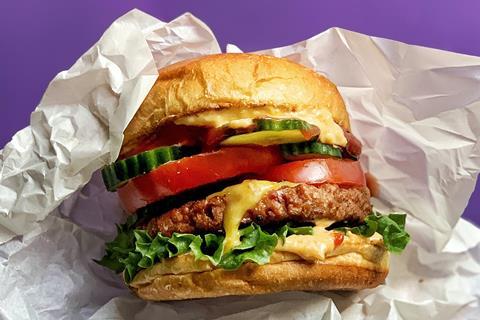
Preparations such as burgers or sausages that can be meat-based or contain other products of plant origin will not be covered by this protection.
Words that are now restricted are: beef, veal, pork, poultry, chicken, turkey, duck, goose, lamb, mutton, ovine, goat, drumstick, tenderloin, sirloin, flank, loin, steak, ribs, shoulder, shank, chop, wing, breast, liver, thigh, brisket, ribeye, T-bone, rump and bacon.
Words such as burger, sausage and nugget will not be banned under the new regulations.
“It’s important that consumers aren’t misled as to the nutritional value of the food they’re buying.”
Nick Allen, BMPA
Nick Allen, CEO of the British Meat Processors Association (BMPA), commented: “From a health perspective, it’s important that consumers aren’t misled as to the nutritional value of the food they’re buying. It’s well established that there are essential nutrients that can only be found in animal products, and the often ultra-processed plant-based substitutes don’t provide an adequate alternative source of these nutrients.
“If these products carry the same name on the label, people run the risk of unwittingly being nudged away from natural, nutritious whole foods (including meat and vegetables) to highly processed substitutes lacking essential nutritional elements.
“For the UK, we would simply advocate for clear labelling that gives consumers the information they need to make informed choices about the food they eat. With the vast majority of British people choosing to include meat in their diet, this should see British farmers well supported, particularly as choosing meat from British pasture-fed animals means choosing meat produced to some of the world’s highest standards with the lowest environmental footprint.”
Rod Addy, director general of the Provision Trade Federation (PTF), said: “This is a victory for common sense. It helps consumers seeking to buy nutritious, high quality meat products to avoid confusion over purchasing decisions and continue to go for the tasty meaty options they know and love.”