


Results from the Breed for CH4nge research project will give sheep farmers the opportunity to help reduce their flock’s carbon footprint through improved ewe efficiency and lower methane emissions.
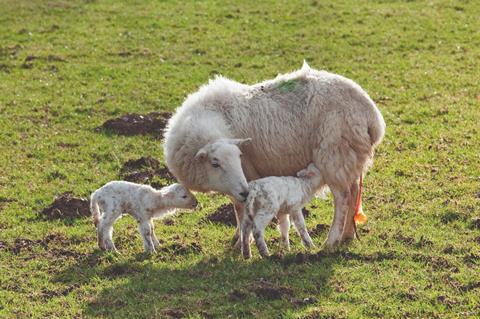
The £3 million Breed for CH4nge project was funded by Defra’s Farming Innovation Programme and has been delivered by Innovate UK along with 11 industry partners, including the National Sheep Association (NSA).
Data gathered from 40 varied flocks in the study has confirmed that methane emissions are heritable and the findings have been used to develop a new breeding value (EBV) for methane output. This EBV feeds into the new Breed for CH4nge index, which ranks animals on their breeding potential for a naturally low carbon footprint.
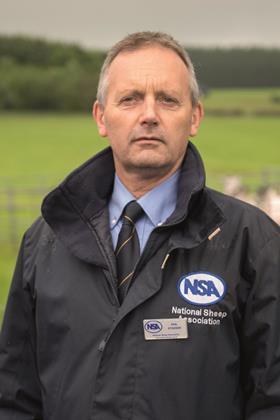
NSA chief executive Phil Stocker commented: “The Breed for CH4nge project’s intention from the start was to inform the wider sheep industry and breeders and make available strategies for improving ewe efficiency and lowered methane emissions. I now hope all sheep breeders can look at and make use of what this project has achieved.”
Robust data enables creation of new breeding tools
The new breeding tools will be available for maternal rams from Innovis this season and across the other performance recording maternal sheep breeder groups involved in the project soon. The Breed for CH4nge index will be made available to all other maternal performance recording sheep breeders via Signet.
SRUC sheep geneticist Dr Nicola Lambe stated: “This project has provided a hugely important, high quality data set, collected from industry flocks which has enabled us to unpick the genetic control of methane emissions and the underlying mechanisms affecting them.
“The increased understanding has allowed breeding tools to be designed that can help optimise UK sheep’s productivity and sustainability, positioning UK research among the world-leaders in breeding for reduced methane emissions from sheep.”
“This project … offers farmers a sustainable route to improving their product’s environmental credentials while helping to address consumers’ concerns over the footprint of the meat they eat.”
Dr Janet Roden
Dr Janet Roden added: “Sheep and cattle emissions are not always easy conversations because we often feel they’re unfairly portrayed in the popular press, however we believe this project has helped to identify the win-win solutions that can benefit both the farmer’s bottom line and the environment, consequently it offers them a sustainable route to improving their product’s environmental credentials while helping to address consumers’ concerns over the footprint of the meat they eat.”
Heritable traits linked to flocks’ carbon footprint
The research project also gave an opportunity to build data sets for heritable traits likely to influence the flock’s carbon footprint, such as resistance to gut worms, ewe weight and body condition, alongside genomic profiles.
Innovis chief executive Dewi Jones commented: “This information has helped to understand the relationships between these traits. The data, which so far suggests that there are no real antagonisms with other traits that are directly related to the ewe and lamb’s performance and health, is being fed into improving the EBV accuracy for the breeds involved. This in turn will help to improve ewe efficiency and health in UK grass and forage systems and reduce carbon footprint.
“However, we were surprised by the scale of difference in emissions between lambs even within groups that had all been managed together from birth. Furthermore, feed intake measurements of individual lambs has shown that the most efficient lambs ate 20% less feed but grew at the same rate as less efficient lambs, however, this was not reflected in differences in methane emissions. Both daily intake of the lambs and their feed efficiency appear to be highly heritable and so likely to be passed onto the next generation, a very encouraging finding.”