


Statistical analysis by the Livestock and Meat Commission for Northern Ireland (LMC) has shown that UK beef imports rose in Q1 2026, with an increasing number coming from non-EU nations.
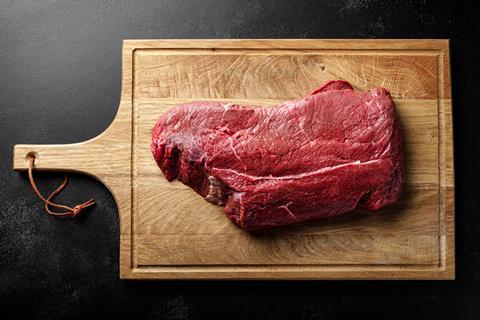
According to figures from LMC, UK beef imports increased by 8% in the first quarter of 2026 compared to the period last year, with a “sharp rise” in frozen beef and offal imports. Its analysis found that frozen beef imports went up by 24.8% in volume to 4,605 tonnes, while imports of fresh beef remained stable at 44,169 tonnes and imports of processed beef were “little changed” at 10,417 tonnes.
The composition of imports is changing

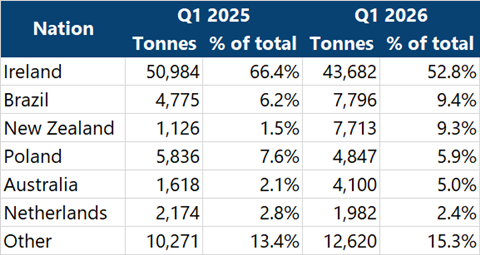
Sam Coalter, LMC agricultural market analyst, commented: “One of the most notable trends in the past year has been the change in composition of source nations. Non-EU nations accounted for one quarter of imports in the first quarter of this year, up from 11.4% in Q1 2025. This increase ran alongside fresh beef imports from non-EU nations doubling (+98.3% to 7,310 tonnes) and frozen beef imports increasing sixfold (+497.7% to 8,950 tonnes).
“Imports from Australasia have increased rapidly this year, albeit from a low starting point, with Australia and New Zealand both benefitting from trade deals completed after the UK’s withdrawal from the EU. The volume of imports from New Zealand increased almost sevenfold and now accounts for 9.3% of total UK imports, while Australia’s share has risen from 2.1% to 5.0%. Brazilian imports also increased, now accounting for 9.4% of total import volume compared to 6.2% in Q1 2025.”
Imports from EU nations decreased in Q1 2026 to 75% of total UK imports, compared with 88.6% in Q1 2025, reported LMC, with Ireland remaining the UK’s largest beef importer to the UK despite a year-on-year decline from Q1 2025 from almost two-thirds of imports to just over half (52.8%). The next largest sources of EU beef imports come from Poland and the Netherlands, with a combined share of 8.3% of total imports, totalling 6.830 tonnes.
LMC expects diversification trend to continue
Looking forward to the rest of the year, Coalter stated: “The Q1 2026 data indicates a continued diversification of the UK’s beef import supply base. Although EU countries accounted for three-quarters of total imports during the period, increased volumes from New Zealand, Australia and Brazil resulted in non-EU suppliers accounting for a larger share of the UK market than in Q1 2025, largely reflecting lower imports from Ireland.
“These trends are likely to continue in the near term as Australia and New Zealand continue to utilise available quotas under UK trade agreements, with the UK remaining a relatively high-value market for beef exports.
“Changing global demand patterns, including increased protectionist measures in key markets such as China, may further influence global trade flows.”
Sam Coalter, LMC
Coalter continued: “At the same time, changing global demand patterns, including increased protectionist measures in key markets such as China aimed at supporting domestic beef production, may further influence global trade flows. Analysis from GIRA, a leading global agricultural consultancy, indicates that Australia had used 90% of its annual beef quota with China by the end of May. However, low cattle herds and continuing strong consumer demand in the United States will continue to pull beef imports from around the world and support global demand.”