


Figures from the Office for National Statistics (ONS) revealed a drop in overall inflation in November, however, beef prices continue to rise sharply.
According to figures from the ONS, the Consumer Prices Index, including owner occupiers’ housing costs (CPIH) rose by 3.5% in the 12 months to November 2025, down from 3.8% in the 12 months to October.
On a monthly basis, CPIH fell by 0.1% in November 2025, compared with a rise of 0.2% in November 2024.
The Consumer Prices Index (CPI) rose by 3.2% in the 12 months to November 2025, down from 3.6% in the 12 months to October and on a monthly basis, CPI fell by 0.2% in November 2025, compared with a rise of 0.1% in November 2024.
ONS data showed that food and non-alcoholic beverages, and alcohol and tobacco, made the largest downward contributions to the monthly change in both annual rates. Food and non-alcoholic beverages prices rose by 4.2% in the 12 months to November 2025, down from 4.9% in the 12 months to October. On a monthly basis, food and non-alcoholic beverages prices fell by 0.2% in November 2025, compared with a rise of 0.5% a year ago.
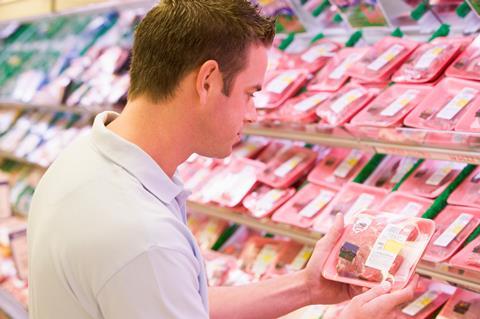
However, there was a mixed performance by category, with the Food and Drink Federation (FDF) commenting that of the 48 main categories this month, 26 saw inflation slowing, with inflation rising for the remaining 22 categories. Prices rose fastest for beef and veal at 27.7%.
“To really impact this persistent food inflation, we need Government to redouble efforts with food businesses to reduce costs, like energy, and boost growth and productivity to bring down prices in the coming weeks and months across the food and drink supply chain.”
Karen Betts, FDF
Karen Betts, FDF chief executive, commented: “It’s good to see food inflation starting to fall, not least as shoppers fill their cupboards for the festive season. Nonetheless, food prices remain higher this Christmas than last and many consumers are having to make tough choices about what they buy this year.
“Manufacturers continue to work hard to cut costs and pass any potential savings on to consumers, but themselves continue to face significant cost pressures. To really impact this persistent food inflation, we need Government to redouble efforts with food businesses to reduce costs, like energy, and boost growth and productivity to bring down prices in the coming weeks and months across the food and drink supply chain.”