According to global consultancy Inverto, the UK’s 27.4% increase in beef prices over the past year has challenged food producers, retailers and consumers alike to keep meals “as affordable as possible”.

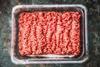
Beef mince

Source: IngImage

Inverto said that the increase in UK beef prices is the biggest since records started in 1988.

In the UK, farmers have faced “significantly higher” feed costs and rising wage bills, as well as higher energy prices following the war in Ukraine, and since 2020, the number of cattle farms in the UK dropped by 8.5%.

The Agriculture and Horticulture Development Board (AHDB) and the Department for Environment, Food and Rural Affairs (Defra) found that the number of cattle slaughtered fell 6% in the quarter to September 2025 to 487,000, down from 516,000 a year earlier, taking beef production to a 10-year low. Over the same period, AHDB and Defra found that the production of pigs increased 2% to 966,000 in the year to September 2025, up from 945,000 the previous year.

Katharina Erfort, principal at Inverto, said: “The unprecedented rise in beef prices over the last year is not something that food retailers and food manufacturers can easily absorb. These are industries that have relatively low profit margins.

“They are also loath to just pass these price rises on to customers as many families are still recovering from the cost-of-living crisis. We already see a shift to cheaper meals.”

Demand for lower cost products

In the UK, consumption of beef burgers and other processed beef products dropped 12%, while demand for minced pork rose 35% (AHDB and Defra).

Inverto observed that supermarkets are “experimenting with increased shelf space” for lower-cost beef products such as mince and less space for steaks. It said that supermarkets can also shift the blend in different types of cuts of beef to keep the weekly shop affordable.

Food manufacturers have also been following a longer-term shift to more chicken-based meals as price-conscious consumers have shifted away from beef and lamb, said Inverto. Chicken prices have increased less than 4% over the last year, which the consultancy said reflects a trend in the US where sales of chicken have “increased sharply” as a result of increased beef prices.

Erfort said that to ease further increases, food producers and supermarkets should review their indirect costs, such as logistics or marketing, as these are “often overlooked” despite accounting for up to 15% of revenues in the case of retailers (Inverto - ‘Unlocking competitive advantage: why direct spend is a strategic imperative in retail’ report).

She added that many companies are now using AI to improve visibility over their supply chain costs, strengthening areas such as logistics, forecasting and inventory management. Knowing what products are due, when they will arrive and at what cost reportedly helps businesses “maintain tighter cost control, reduced wastage and a more efficient balance sheet”. AI can also be used to better predict demand, said Inverto, which can help avoid the costs of overstocking and identify the early signs of inflation in input costs. Similarly, the consultancy said that AI can help businesses forecast traffic conditions to optimise delivery times and routes.

Erfort concluded: “AI can give food producers and retailers better visibility over their supply chain costs. This can play a very important role in curbing further price increases.”