


The Abattoir Sector Group has called for Government action as UK abattoir numbers have fallen from around 2,500 to 200.
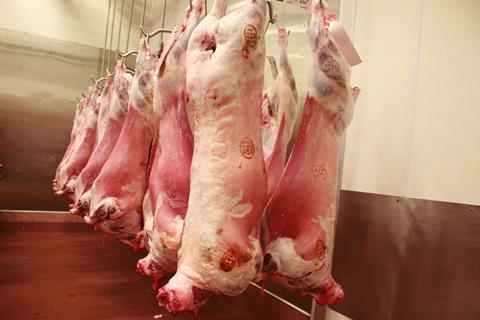
The call was made alongside food, hospitality and animal welfare groups, as well as farmers, after the coalition revealed that Britain has lost more than 90% of its abattoirs since the 1970s.
In a 2025 survey of 850 farmers and land managers, it was reported that two thirds had experienced difficulty accessing suitable abattoir services, while a third had seen an abattoir they have used close.
If their current abattoir closed, 43% said they would no longer be able to sell meat locally and almost three in ten said they might have to close their meat business altogether. Nearly six in ten said their business would not be profitable without direct or local selling.
The Abattoir Sector Group warned that without “urgent intervention”, further closures would undermine the Government’s ambitions for food security and economic growth.
In a joint letter signed by over 150 organisations, businesses and individuals, the Government is being urged to recognise local slaughter capacity as essential food and economic infrastructure and take immediate action to secure a sustainable network across the UK.
“There can be no such thing as local meat without local abattoirs.”
Christopher Price, Abattoir Sector Group
Christopher Price, chair of the Abattoir Sector Group, said: “You cannot have British meat without the infrastructure to process it. Government talks about food security, backing British farmers and delivering growth across the country. But every time a local abattoir closes, farmers lose another route to market, animals may have to travel further and another piece of Britain’s food infrastructure disappears.
“We are now at a tipping point. We need smarter, proportionate and genuinely riskbased regulation that maintains high standards without driving viable local businesses out of existence. Government needs to act before more of this essential infrastructure is lost.”
The coalition highlighted that as slaughter capacity becomes concentrated in fewer, larger processors, farmers could face longer journeys and lose access to services such as private kill, cutting, packing and specialist processing, while local meat businesses could lose their route to market altogether.
Patrick Holden, CEO of the Sustainable Food Trust, stated: “A sustainable network of small and medium-sized abattoirs offering the right services for farmers is critical to ensuring they can continue to provide the nation with nutritious food, reduce dependence on imported animal feed and chemicals and give people the opportunity to buy fully traceable, high-welfare meat with real provenance and trust.
“There can be no such thing as local meat without local abattoirs, yet previous governments have allowed this vital infrastructure to disappear, at exactly the moment when they should be laser-focused on securing a resilient food system for the future.”
The Abattoir Sector Group has set out a number of asks for the Government:
- Recognise local slaughter capacity as essential infrastructure, ensuring it is considered alongside transport, energy and skills in economic planning.
- Urgently review regulation and charging, including Official Veterinarian costs, inspection arrangements, regulatory thresholds and opportunities for digitalisation.
- Establish targeted funding for local abattoirs and feasibility work, enabling local areas to identify gaps and develop investable proposals, including co-operatives, mobile facilities and public-private partnerships.
The coalition pointed out that local solutions will be “essential” because the needs of farming communities differ across the country and warns that if Britain wants resilient domestic food production, thriving rural economies and a transition to nature-friendly farming, it “cannot afford to lose more local abattoirs”.