


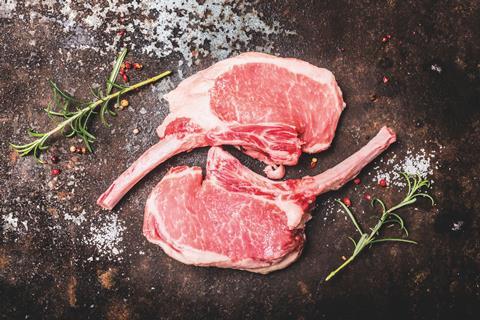
The UK has secured a trade deal with the Gulf Cooperation Council (GCC), with UK exports of certain food products such as lamb to be tariff-free for Gulf partners.
Government suggested that the UK could see a boost to growth and higher wages after securing the trade deal, which includes tariff-free access to food exports for Gulf partners such as Bahrain, Kuwait, Oman, Qatar and UAE.
The deal will aim to remove an estimated £580 million in duties a year, based on current UK exports to the GCC, and Government said £360 million worth of this would be removed on day one of the agreement coming into force.
NFU, which has engaged with ministers and UK negotiators on a potential deal with the GCC since 2021, said that UK farmers stand to benefit from the deal through increased export opportunities. According to the union, there is strong demand in GCC countries for lamb and dairy products, and the removal of 5% tariffs on these products from the UK will “help boost exports and build farm business resilience at home”.
It also said that by maintaining current tariff levels on imports into the UK for chicken meat, eggs and pork, the Government has upheld its commitment not to undermine the UK’s high animal welfare standards.

NFU president Tom Bradshaw said: “The trade deals agreed in recent years have been a mixed bag to say the least, with limited benefit for UK farm businesses. But I’m really pleased the Government has listened to our concerns and ensured we can take advantage of the strong demand in the GCC for things like lamb, cheese and oats – securing greater access for high‑quality British goods while safeguarding our pork, chicken and egg sectors.
“The main area of jeopardy in this deal was around animal welfare standards, which in GCC countries often fall below our own. It will be a relief to farmers and the public that the Government has held firm on its promise to safeguard Britain’s high food production standards.”
Bradshaw highlighted that concerns remain about other ongoing trade negotiations and reiterated the need for Government to develop a set of core production standards, which all imports would be required to meet.
He said: “This was a well negotiated deal, but we’re under no illusions that other countries – whose standards may fail to meet our own – will push hard for greater access to our market. This is a real concern for both farmers and the public who understandably believe their food should be produced with animal welfare and environmental protection at its core.
“Establishing core standards as a baseline would reassure farmers and growers that the high standards they uphold won’t be undermined and give the public confidence that whatever they pick up from the supermarket or order from a restaurant has been produced in line with their values.”
NFU urges processors and retailers to support British beef producers
NFU has also called for support for the British beef sector from processors and retailers as costs rise for producers.
In an open letter to processors and retailers, NFU Livestock board chair David Barton called for support for the British beef sector, which he said faced a “critical period”. Barton highlighted a reduction in farmgate returns while fuel and fertiliser costs rise, which he said was exacerbated by the conflict in the Middle East.
The letter labelled the beef sector as a “significant pillar” of the UK agricultural economy, worth £4.1 billion in 2024 and representing 13% of total agricultural output.
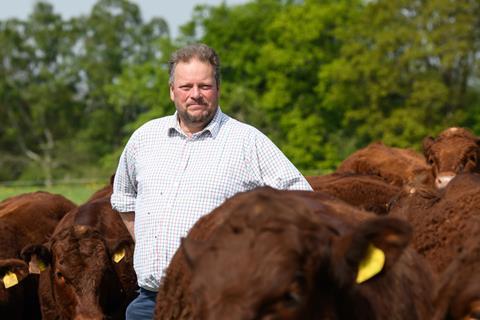
Barton continued: “Yet, despite historically firm headline values, producers are experiencing severe price volatility and delays to book in cattle for processing, which is increasing our feed and housing costs, as well as our carbon footprint. Livestock numbers are in worrying decline with a further 3.1% contraction in the GB suckler herd last year, confidence across the sector remains low, with many producers considering their options in the short and medium term.
“To ensure a resilient, home-grown beef supply, the NFU is calling on the supply chain to show long-term support. We need a fair, transparent agri-food supply chain. Livestock farmers must fully understand carcase values to confidently invest back into their operations.
“Short-lived price spikes followed by sharp corrections do not give security. Rebuilding breeding herds is a multi-year journey that requires certainty. If farmers do not have the confidence to invest in their herds in this way, then we could see a continued decline in livestock numbers.
“In short, we believe British beef producers carry the greatest risk as they make long term financial decisions without a guarantee of a price they will receive for their product. True stability means backing British farming during shifting market cycles. Therefore, we want processors and customers of British beef to show the same commitment to grow the sector.
“We know the British public wants more home-grown produce in their baskets – in the last NFU farmer favourability survey, 89% of respondents said British farms should grow as much food as possible to support national food security and the public really values British grass-fed beef. We have a world-class, sustainable product. By embedding transparency into the wider supply chain, we can stop the decline in cattle numbers and secure a prosperous future for the entire British beef industry.”