


On its two-year anniversary, Ashford Port Health Authority has revealed 208 tonnes of unsafe food has been seized and destroyed at the port since November 2024.

Based at the Sevington Inland Border Facility, the service has grown from a team of three in 2021 into what it called the “busiest and most significant” Border Control Post in the country, operating 24 hours a day, seven days a week.
Since going live in April 2024, the team has carried out checks each day on imported food and feed entering the UK via the Port of Dover and Channel Tunnel, aiming to ensure that only safe, compliant goods reach the market.
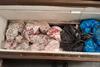
Since November 2024, the Authority has seized and destroyed 208 tonnes of unsafe food, with around 22,800 import notifications processed on average each month.
Alongside its core operations, the Authority said work is ongoing to develop AI-assisted systems to help streamline parts of the border clearance process, improving efficiency while maintaining the same standards of safety and compliance.
It has also focused on tackling a national shortage of environmental health professionals, with around £1 million secured in funding for training and development. The Authority said this investment would help to build a skilled and confident workforce, while “creating long-term career opportunities locally”.
“Whether it’s stopping unsafe imports, responding to disease outbreaks, or working with traders to get things right, our focus is on doing the job properly.”
Anthony Baldock, Ashford Port Health Authority
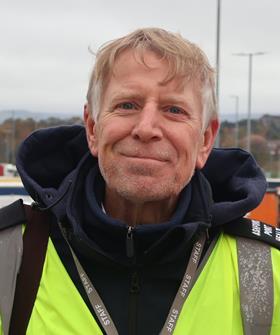
Anthony Baldock, director of Ashford Port Health Authority and chairman of the Association of Port Health Authorities, said: “We’ve built something here that is genuinely making a difference on a national scale.
“In just two years, we’ve gone from setting up a brand-new service to operating the busiest Border Control Post in the country. That has only been possible because of the commitment and professionalism of the team.
“Every day, we are on the front line protecting the UK from risks to public health, animal health and the food chain. Whether that’s stopping unsafe imports, responding to disease outbreaks, or working with traders to get things right, our focus is on doing the job properly.
“We’re also always looking at how we can improve what we do. That includes exploring how technology, including AI, can support the service and help us work more efficiently without compromising on standards.
“I’m incredibly proud of what the team has achieved, not just in terms of the day-to-day operation, but in developing skills, creating opportunities and helping to strengthen the profession for the future.”