

Research from the Agriculture and Horticulture Development Board (AHDB) has found that beef mince remains the most popular and trusted type of mince purchased in retail.
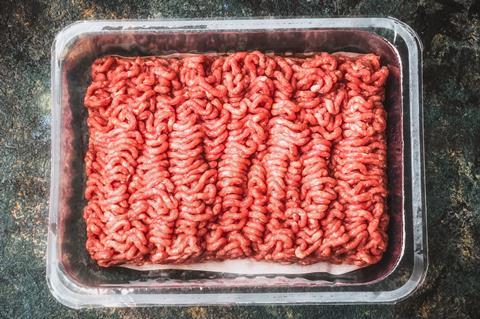
Over the past 52 weeks, 70% of GB households bought beef mince, making it the most popular mince by a clear margin, said AHDB, as it “continued to dominate the category” and was labelled the “clear first choice” for shoppers.
In total, 134 million kilos of beef mince were sold through retail, accounting for 73% of all mince purchases. Pork, chicken and lamb minces lagged “far behind” (Worldpanel by Numerator UK, 52 w/e 22nd March 2026).
AHDB’s research showed that this loyalty was driven by a combination of practicality and strong emotional attachment. Traditional beef mince recipes such as spaghetti bolognese, lasagne, chilli con carne and cottage pie continue to showcase beef mince at the centre of the plate, and are quick to cook, easy to portion and widely enjoyed by adults and children alike, reducing the risk of waste or the need to cook separate meals.
Participants described mince-based meals as warming, comforting and nostalgic, often linking them to childhood memories and long-standing family routines. AHDB said this “emotional reassurance” helps explain why beef mince remains a weekly staple, even as food budgets “come under pressure”.
In the past year, AHDB found that the average price of beef mince had risen by almost 28.7%, which it said was driven by high inflation across the beef category (Worldpanel by Numerator UK, 52 w/e 22nd March 2026). It highlighted that as a result, retail volumes had fallen by 8.3% and 3.1% in household penetration. However, rising prices changed how shoppers bought and used mince, as consumers switch from beef mince to cheaper proteins outside of mince, primarily chicken.
“People are changing pack sizes, fat contents and how often they buy, but beef mince still earns its place in the trolley.”
Emma Wantling, AHDB
AHDB reported that consumers had a “strong sense” of what a pack of mince should cost, typically expecting a 500g pack to sit between £3 and £5. When prices creep above that level, purchase decisions become more deliberate.
According to the research, pack size has become a key way shoppers manage spend. Larger packs appeal to those looking for value, particularly where beef mince can be batch cooked, frozen or stretched across several meals, while others opt for smaller packs or buy less often. AHDB said that some turn to mixed or poultry-based alternatives as a “short-term measure”, with many shoppers still valuing beef mince for its flavour, texture and versatility, particularly in traditional dishes.
Emma Wantling, retail and consumer insight manager at AHDB, stated: “To manage higher prices, shoppers are adapting rather than walking away. What we’re seeing is a high degree of loyalty to beef mince, paired with pragmatic behaviour. People are changing pack sizes, fat contents and how often they buy, but beef mince still earns its place in the trolley.
“Health considerations continue to shape choices. 5% fat mince is widely seen as the healthier option and now accounts for more than half of all beef mince volumes. At the same time, some households are trading up to higher fat mince to reduce spend, with volumes of 15%-19% fat mince growing year on year.”