


Following a confirmed case of Bluetongue in Northern Ireland, the Livestock & Meat Commission (LMC) is urging beef and lamb producers to exercise vigilance.
Results of testing carried out by the Department of Agriculture, Environment and Rural Affairs (DEARA) in Northern Ireland have confirmed two cases of Bluetongue (BTV-3), with suspected presence of cases in a further 44 cattle in a Co Down herd.
DAERA Minister Andrew Muir has expressed disappointment in the preliminary results of the tests from a holding near Bangor and has confirmed plans are in place for further testing on other farms in the 20km Temporary Control Zone (TCZ) that was introduced on 29th November.
LMC urges vigilance
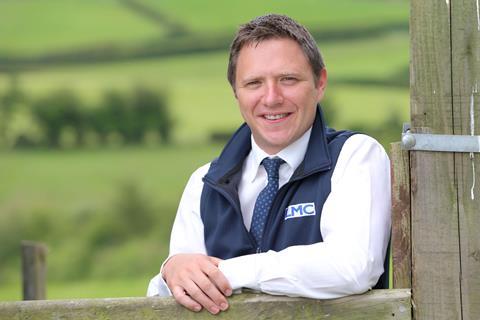
Commenting on the findings, LMC chief executive Colin Smith said: “Foremost, it is concerning news that suspected presence of Bluetongue has been found in a further 44 cattle in the County Down herd. We appreciate the level of concern and uncertainty this has created within the agri-food industry. We empathise with the producer affected and those impacted by the Temporary Control Zone.
“As the situation surrounding Bluetongue evolves, I remain in close contact with the Department of Agriculture, Environment and Rural Affairs (DAERA), red meat industry representatives and wider stakeholders. While the ripple effect of this virus on the industry plays out, timely market access is a top priority for beef and lamb producers.”
According to LMC, many farmers are now having to reconsider their market avenues, and it has reminded beef and lamb producers to check individual processor specifications to avoid barriers to market and maximise their returns.
Smith added: “For most processors in NI, Farm Quality Assurance Scheme (FQAS) approved status is a necessary requirement. LMC will work with producers and Northern Ireland Food Chain Certification (NIFCC), the certification body for FQAS, to help extend the scope of current approved FQAS producers where necessary, or process applications from those wishing to join the Scheme. We will do this as swiftly and seamlessly as possible however farmers should be aware that approval can, in certain circumstances take time.”
Following the outbreak in Northern Ireland, the National Sheep Association (NSA) has called for clear communication across the UK and between vets and farmers to “manage Bluetongue virus (BTV) in Northern Ireland through vaccination and movement controls”.
NSA response
NSA NI regional coordinator Ellen Moorehead commented: “There are key lessons to learn from England and Wales in disseminating information, administering vaccines and understanding what virus restrictions mean for trading activity on your farm. It’s important to stress that bluetongue virus has no impact to human health.
“Trade disruption is an unfortunate and unavoidable consequence of dealing with a BTV infection. For example, those in the TCZ will be unable to move stock outside the zone to live, be they store lambs, in-lamb ewes, or wintering hoggs.”
NSA has urged farmers in Northern Ireland to be aware of symptoms in livestock.
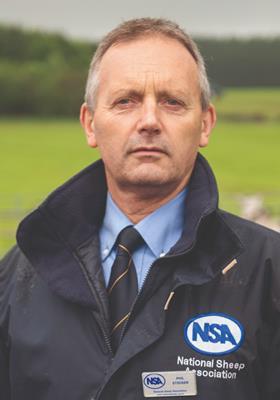
Phil Stocker, NSA chief executive added: “The UK livestock industry is seeing cases continuing to pop up but mortality and severe welfare cases are much lower than expected. This leaves questions in many farmers minds over whether to vaccinate or not and the decision comes down to the level of risk any business is prepared to take.
“We could be seeing the virus weaken naturally, but the low numbers of serious cases could also be down to low levels of viremia, and this could increase next spring and summer meaning next year could be worse.
“There are experts in the field with contrasting opinions but no one knows exactly what might happen next year. In the meantime, at least a vaccine is available, remaining the only real line of defence, and it’s down to the farmer and their vet to choose the best route for the individual business.”