The Association of Independent Meat Suppliers (AIMS) has published its February meat and poultry inflation tracker, highlighting the effect of “instability” in the Middle East as suppliers look to relocate exports.

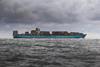
Cargo ship

Source: Pexels

Tony Goodger, head of communications at AIMS, reported a fall in month-on-month inflation: “For the first time since we started this tracker report the overall month-on-month inflation figure has moved to a negative overall position of -0.16% (-£0.02kg) with three of the four categories monitored, beef (-0.45%), pork (-0.56%) and chicken (-0.43%), all showing falls.

“With the exception of lamb (+0.58%), February’s prices have by and large been flat. However, when looking at the same period 2025 verses 2026, prices have risen by 11.99% (£1.32kg) with beef, and in particular lean minced beef, leading the way, up £2.55kg (31.91%), and roasting joints, up £3.95kg (+30.48%).”

Goodger highlighted that pork and chicken prices rose by just 1.84% and 0.43% respectively, labelling it as the “affordable switch” for consumers on a budget.

“Longer term input costs could cause inflationary pressures in production markets such as the UK.”

Tony Goodger, AIMS

Tony Goodger, AIMS

Source: AIMS

Tony Goodger, head of communications at AIMS.

Goodger continued: “Of course, developments in the Middle East, especially if the conflict runs for any real period of time, could impact on the price of meat and poultry.

“One scenario may see Brazil, the largest supplier of poultry to the Middle East and one of the world’s largest beef suppliers are likely looking to relocate exports into markets such as the EU, where they are now assisted by the Mercosur agreement.

“In turn, this could drive down prices for European consumers, which may lead to more EU exports, especially Irish Beef, entering the UK.

“As we have learned from previous conflicts in the region, disruption to the Red Sea and, in particular, The Strait of Hormuz will result in Southern Hemisphere shipping being re-routed via the Cape of Good Hope, adding ten to 14 days to transit times. These delays increase fuel consumption by up to 40% and hike freight and insurance costs, which are eventually passed on to consumers.

“Longer term input costs such as fertiliser, animal feed and oil all could cause inflationary pressures in production markets such as the UK. But should Middle East tourism be heavily impacted, then import volumes to the region will decline, which could also see more UK production remaining in the UK market.

“As ever, with economic thinking, there is rarely a simple answer. The next few months will make for some interesting reading when it comes to the AIMS meat and poultry inflation tracker.”