Quality Meat Scotland (QMS) has completed a nationwide programme of political engagement in the lead up to the Scottish parliamentary elections in collaboration with the Scottish Red Meat Resilience Group (SRMRG).

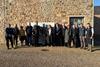
QMS Political engagement visit - Lothian

Source: QMS

The Scottish Red Meat Resilience Group visited Lothian as part of the programme

The series of visits, spanning from Linlithgow to Orkney, Mull, Fraserburgh and the Scottish Borders, aimed to showcase the value of the £3.5 billion red meat sector as well as a first-hand view of the opportunities and challenges facing Scotland’s red meat supply chain. The visits brought 74 MSPs, MPs, councillors and prospective candidates from all major political parties to farms, learning centres and industry facilities across Scotland.

The programme forms part of QMS’s wider ‘Meating Our Potential’ partnership campaign with the SRMRG, which it said would give producers the tools to increase productivity and profitability and build confidence in the sector.

QMS facilitated discussions with representatives from all major parties across 11 regional events, reflecting “strong interest” in the future of the red meat sector from across the political spectrum. Each visit looked to highlight different priorities, challenges and opportunities unique to each region. These varied from rural communities in the Highlands and Islands, to mixed livestock farms in the Northeast and South of Scotland, to skills development hubs in Glasgow.

Themes that emerged throughout the programme included labour shortages, skills challenges and the need to engage with and educate the next generation about the benefits of Scottish red meat.

“These conversations help ensure informed decision-making and reinforce the sector’s significance both locally and nationally.”

Kate Rowell, QMS

Kate Rowell, chair of QMS, said: “This programme of activity has shown there is real political appetite to better understand the vital role the red meat sector, and agriculture as a whole, plays in Scotland’s economy, environment and rural communities.

“Feedback from both urban and rural representatives has been extremely positive, with several commenting that they had not fully appreciated the socio-economic significance the supply chain brings to their own local areas.

“Bringing politicians from across the political spectrum onto farms is essential. Some come with a strong understanding of agriculture, others with very little, but every visit gives us the opportunity to demonstrate the scale, complexity and importance of what our farmers do.

“These conversations help ensure informed decision-making and reinforce the sector’s significance both locally and nationally.”

During the visits, attendees emphasised the importance of embedding food, farming and sustainability learning in schools and local communities, and recognised both the diversity of the sector and the value of “stronger, ongoing dialogue” between industry and policymakers.

Events included visits to Gilmeadowland Farm in Linlithgow; Saughland Farm in Pathhead; Fearn Farm in Easter Ross; Farmlay in Fraserburgh; Muirhouse Farm in Kilmacolm; Dourie Farming Co in Port William; Wedderlie Farm in Westruther; The Old Post Office in Mull; Orphir Farm in Orkney; and Hallyards in Blairgowrie, as well as a skills focused event at City of Glasgow College.