



Retail insight from the Agriculture and Horticulture Development Board (AHDB) has found that beef retail volumes grew year-on-year for the first time in 19 months, which was driven by “strong demand” for steaks and mince.
In the 12 weeks to 1st November 2026, overall red meat volumes fell by 1.4%, compared with the same period last year. AHDB reported that beef was building momentum and pork was finding growth in primary and added-value products, while the lamb category was struggling with higher prices.
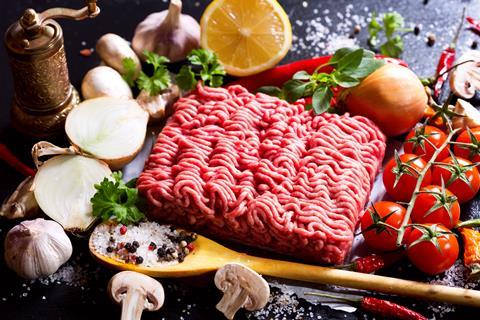
According to data from Worldpanel by Numerator for the 12 weeks to 1st November 2026, shoppers spent 1.9% more on beef, with volumes up 0.9%. Mince returned to growth for the first time since April 2025, as more promotions brought new shoppers into the category and encouraged them to buy more often. Steaks also performed strongly, with volumes up 8.1%, and sirloin leading the way. Half-price offers by a number of retailers gave some roasting joints a big lift, too, said AHDB, with topside volumes up 60.7%.
AHDB analysis of Worldpanel by Numerator data also found that average lamb prices rose by 9.2%, while volumes fell by 10.6%. Some cuts still grew, with stewing lamb up 24.6%, mince up by 0.9% and shoulder roasting joints up 9.1%. Shoulder roasting performance was helped by promotions attracting more shoppers to the cut.
“Beef’s return to volume growth after 19 months is an encouraging development.”
Charlotte Forkes-Rees, AHDB
Charlotte Forkes-Rees, retail and consumer insight analyst at AHDB, commented: “The latest retail picture shows levy payers how shoppers are adapting their choices as price and value continue to shape demand. Beef’s return to volume growth after 19 months is an encouraging development, while lamb remains under pressure from higher prices.
“Pork’s growth across primary and added-value products shows there are still opportunities when products meet shoppers’ needs for value and convenience. Understanding these shifts helps businesses across the supply chain respond to changing buying habits and find where future demand can be supported.”
Looking at pig meat, overall volumes fell by 2% while primary pork grew by 3.2%, with shoulder roasting the standout with an additional 785,000 kg sold. Added-value pig meat also did well, AHDB said, with Worldpanel by Numerator stating that volumes were up 8.3% as promotions and meal deals boosted sous vide and marinated products. Processed pig meat stayed under pressure, AHDB found, with bacon rashers and sausages both in decline, however gammon demand grew by 2.5%.