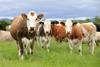



National Farmers’ Union (NFU) Scotland has warned that conflict in the Middle East may be causing Scottish farmers and crofters to face unsustainable cost pressures.
NFU Scotland stated that global energy markets had been “severely impacted” by disruption to the Strait of Hormuz, driving oil prices higher and increasing fertiliser costs, with the union describing the consequences for Scottish agriculture as “immediate and severe”.
As a result, the union said the situation risks reduced domestic output and increased farm business failure, as well as rising food prices.
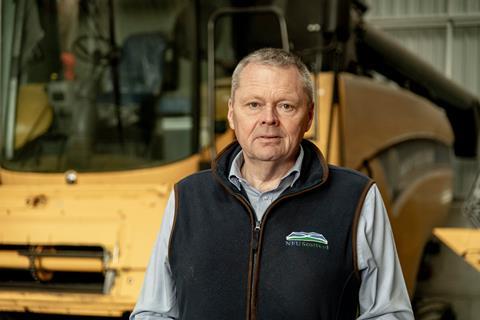
NFU Scotland president Andrew Connon said: “This is not a distant geopolitical issue – it is already hitting farm businesses across Scotland hard. Farmers cannot absorb these unprecedented cost increases indefinitely. Without urgent Government intervention, we will see a contraction in food production, with consequences for consumers and the wider economy.”
Across Europe, Governments have reportedly acted to support their agricultural sectors, with measures including fuel subsidies, fertiliser support and tax relief. However, no equivalent support has yet been introduced in the UK, said NFU Scotland, as the union now calls on both the UK and Scottish Governments to take action.
NFU Scotland has written to the Prime Minister outlining its concerns. The Union understands that the Department for Environment, Food and Rural Affairs (Defra) has been asked to respond on behalf of No.10, with a reply expected shortly. A request for a ministerial meeting is also under consideration.
NFU Scotland suggests Government action
NFU Scotland is urging ministers to introduce a targeted package of emergency measures, including:
- A targeted input support package to offset exceptional fuel and fertiliser costs, including enhanced red diesel rebates and direct fertiliser support
- Extension of energy cost relief to agriculture, particularly for horticulture and intensive livestock sectors
- Improved market oversight and transparency in fertiliser and fuel pricing
- Supply assurance measures to safeguard continuity and prioritise agriculture in the event of shortages
- Recognition of agriculture as a priority sector in any future fuel rationing scenario
The union also called for increased investment in on-farm efficiency and nutrient management, as well as stronger enforcement of fairness in supply chains to ensure farmers can recover rising costs.
“The cost of intervention today is far lower than the economic and political cost of inaction tomorrow.”
Andrew Connon, NFU Scotland
Longer term, NFU Scotland believes food production must be treated as a national strategic priority, including formal recognition as part of Critical National Infrastructure.
Connon added: “The cost of intervention today is far lower than the economic and political cost of inaction tomorrow. This is about food security, affordability and resilience. Government must act decisively to support domestic production and give confidence to farmers, crofters and growers.”