

According to a study from the Agriculture and Horticulture Development Board (AHDB), there is a “clear gap” between what shoppers say they do and how they actually behave in-store when purchasing meat.
AHDB’s new ‘Meat Shopper Journey’ study was conducted with market research agency Sparkminds.
Retail sales of beef, pork and lamb were worth £13.2 billion in 2025 (Worldpanel by Numerator, 52 w/e 28th December 2025), yet the volume of meat bought continued to decline. AHDB said that with cost-of-living pressures driving shoppers to plan meals more carefully and visit multiple retailers per month, the report presented a “timely opportunity” for the industry to help consumers feel more “confident, informed and inspired” when choosing red meat.
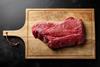
Findings showed that before visiting a store, shoppers claimed price was the “key driver” when buying meat. However, once they were in the meat aisle, how the meat looked mattered more than the price, as many shoppers closely checked the appearance of meat. AHDB said this was because it “reassures them of good quality” and is a proxy for great taste.
Of those surveyed, 65% of consumers plan their weekly meals, with taste (67%) and quality (64%) the top factors guiding decisions. During the week, shoppers said they were increasingly looking to use ingredients they already had at home in a bid to save money, focusing on value, convenience and versatile cuts. The study found that at weekends, consumers were more open to premium items, new cuisines and treats.
“By better supporting consumers before and during the shop, the industry can re-engage meat buyers and help secure long‑term demand for British beef, lamb and pork.”
Vanessa Adamson, AHDB
AHDB said that when shopping, only 4% of shoppers switched from their planned purchases, and among those who did, 51% were influenced by promotions or better prices, which it said “demonstrated the power of well‑executed value communication”.
Shoppers’ desire to buy British has risen sharply at fixture, from 9% in 2018 to 21% in 2025. AHDB found that union flags and clear quality cues give reassurance on welfare, provenance and production standards, all of which matter much more in-store than during pre‑shop planning.
Vanessa Adamson, retail and consumer insight manager at AHDB, said: “This new Meat Shopper Journey research provides the strongest evidence yet of the difference between what shoppers say and what they do.
“This presents a significant opportunity for retailers and suppliers to improve merchandising, simplify ranges and showcase the freshness and versatility of red meat. There’s also a clear role for inspiration. Shoppers want help planning quick weekday meals, guidance on cooking confidence and ideas for treating themselves at the weekend. By better supporting consumers before and during the shop, the industry can re-engage meat buyers and help secure long‑term demand for British beef, lamb and pork.”
The report can be accessed here.